Trees are the quiet architects of outdoor spaces. But like any living structure, trees require care, balance, and sometimes precise cutting to stay healthy and safe. This is where a professional tree arborist steps in, not just with tools, but with knowledge that turns tree cutting into a science rather than guesswork.
Who Is a Professional Tree Arborist?
A tree arborist is a trained specialist who understands the biology, structure, and growth patterns of trees. Unlike basic tree service, arborists approach each job with a deeper awareness of how cuts affect a tree’s long-term health.
They assess factors such as:
- Tree species and growth habits
- Structural integrity of branches
- Signs of disease or decay
- Environmental conditions
This expertise ensures that tree cutting is done with purpose, not just for appearance but for overall tree wellbeing.
Why Proper Tree Cutting Matters
Tree cutting is not as simple as removing unwanted branches. Every cut influences how the tree grows, heals, and responds to stress. Incorrect cutting can weaken the tree, making it vulnerable to disease, pests, or even collapse.
Key reasons why proper tree cutting is essential:
- Maintains tree health and encourages balanced growth
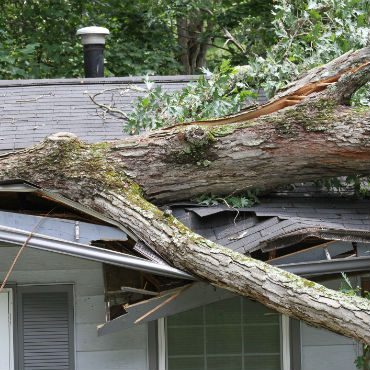
- Prevents overgrowth that can damage nearby structures
- Reduces risk of falling branches
- Improves sunlight penetration and air circulation
- Enhances the overall appearance of the landscape
Think of it as careful editing rather than aggressive trimming. The goal is to refine, not damage.
The Risks of DIY Tree Cutting
It can be tempting to handle tree cutting as a weekend project, but this often leads to unintended consequences. Without proper knowledge and equipment, DIY attempts can harm both the tree and the person performing the work.
Common risks include:
Uneven or excessive cutting that weakens the tree
- Accidental damage to property
- Personal injury from falling branches or improper tools
- Increased risk of pest infestation due to poor cuts
A single incorrect cut can disrupt the tree’s natural growth pattern, leading to long-term issues that are difficult to reverse.
Instead of viewing tree cutting as a simple task, think of it as a careful craft where each cut matters. With expert guidance, your trees can continue to grow strong, healthy, and beautifully integrated into your landscape.
